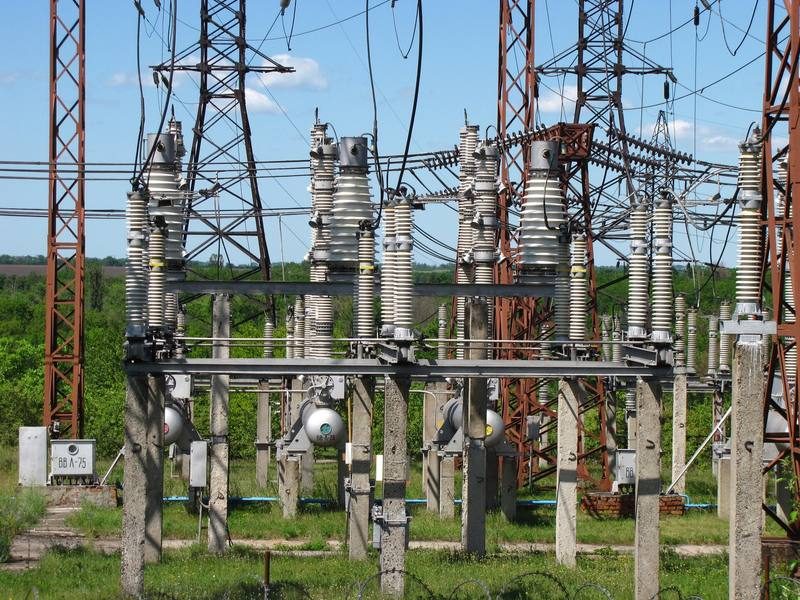
Describe the construction
State whether the unit appears dry-type, oil-filled, or another liquid-filled design, and photograph the enclosure, coils, radiators, bushings, and terminals. If the design is unclear, say so rather than inferring from location.
Dry-type units still need condition detail
For dry-type equipment, note dust, moisture, corrosion, cracked insulation, blocked ventilation, damaged fans, and missing barriers. These observations do not replace electrical testing or a professional inspection.
Liquid-filled units need fluid documentation
For liquid-filled equipment, provide labels and records about the fluid, leaks, containment, and prior service where available. Oil and PCB information needs identification and compliance review; do not state that all liquid-filled units are accepted.
Compare handling requirements
Indoor dry-type units may involve stairs, doors, rigging, and building protection, while liquid-filled units may involve weight, containment, and regulated transport considerations. Give the buyer the actual site conditions.